
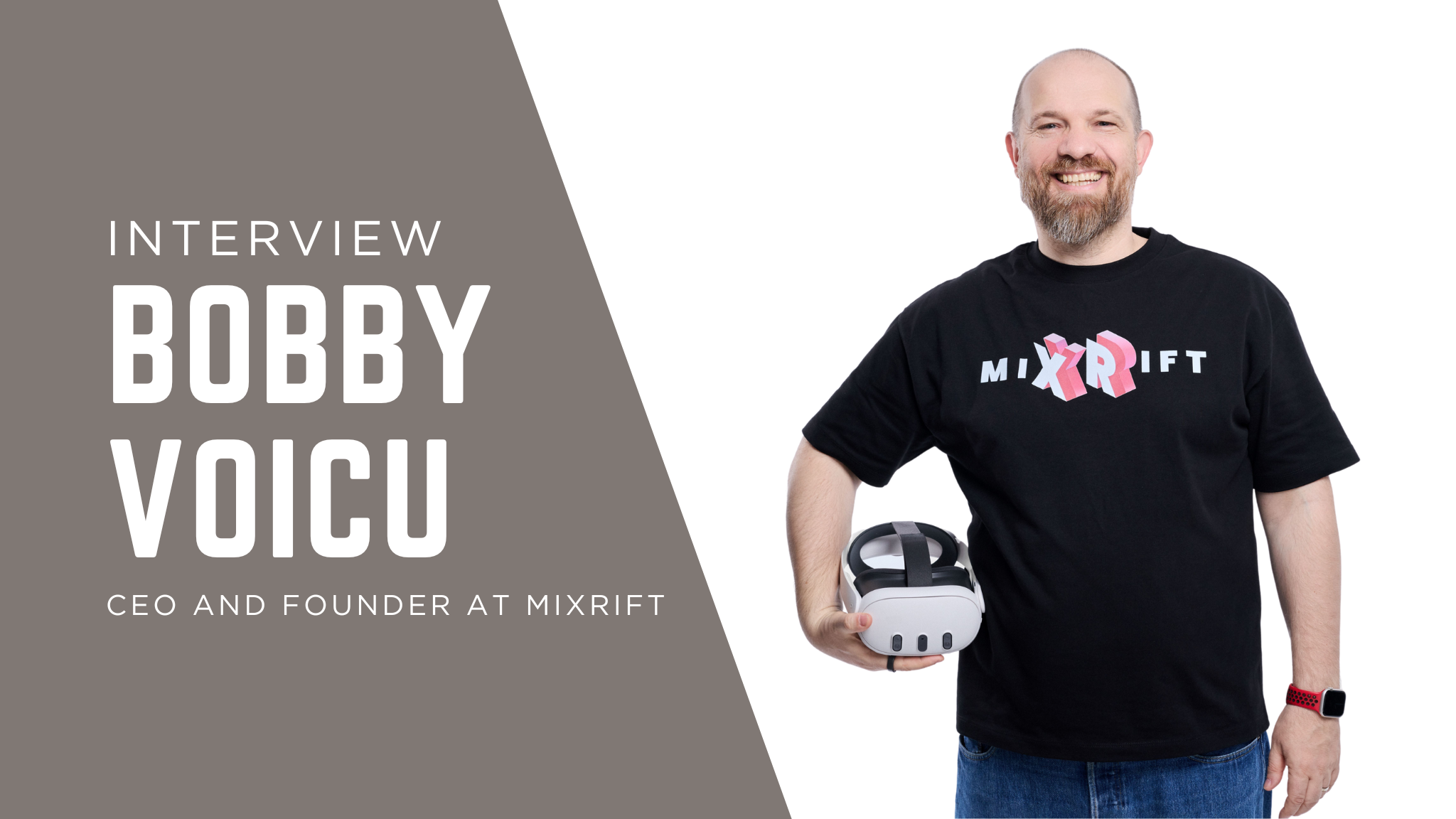
在 9 月 17 日即將揭幕的 Meta Connect 前,VR NEWS TODAY 訪問了快速成長的混合實境(MR)遊戲工作室 MixRift 的共同創辦人暨執行長 Bobby Voicu。
MixRift 近期宣布前 Meta 副總裁 Ingrid Cotoros 加入董事會,她曾參與 Quest 3、Ray-Ban Meta 智慧眼鏡與 Orion AR 等計畫,象徵硬體到應用的跨界合作正加速成形。此外,MixRift 在 2024 年 8 月成功完成的 pre-seed 融資,僅用七週即募得 160 萬美元,並已陸續在 Meta Quest 與 Apple Vision Pro 推出遊戲作品。
對 Bobby 而言,2025 並不是 XR 技術單純的「延續」或「改良」的一年,而是整個產業邁向 臨界點(tipping point) 的時刻,隨著智慧眼鏡逐步進入日常生活,MR 的真正革命才會啟動。
Bobby 指出,過去十年 MR 發展最大的難題在於「硬體」與「生活」之間的落差。傳統 MR/AR 裝置體積龐大、價格高昂,且使用情境受限,即便能帶來沉浸式體驗,也難以真正普及。
不過,隨著 Ray-Ban Meta 智慧眼鏡 等輕量化產品的推出,情勢開始改變。這類裝置不再只是「展示科技」,而是逐漸融入日常的穿戴工具。他強調:「當人們戴上一副眼鏡時,不再覺得自己是『科技玩家』,而是自然地把它當作生活的一部分,這才是主流化的開始。」
對產業而言,智慧眼鏡結合了頭顯的功能與時尚外型,將是 MR 普及的臨界點,也意味著產業將從「專業應用」邁向「日常應用」。
Bobby 認為,除了硬體演進之外,「使用者回饋」才是推動 MR 採用的核心力量。過去的產業模式多由平台制定方向,但真正決定技術能否存活的,是使用者的體驗與接受度。「我們必須回到玩家與使用者的實際體驗。」他表示,「不管是遊戲的操作直覺,還是日常應用的便利性,這些才是推動普及的關鍵。」
MixRift 在開發過程中,把 玩家社群的回饋 放在早期設計階段,例如透過 Discord 直接與玩家互動,並根據需求快速調整功能與玩法。Bobby 強調,這樣的迭代模式,才是讓應用真正貼近市場需求的方式。
他認為,這象徵產業正在進入一個新階段:「我們正從硬體巨頭壟斷的時代,走向由敏捷工作室驅動的應用時代。」
根據研究,2023 年全球 XR 市場規模已達 1,839.6 億美元,並持續快速增長。對 Bobby 而言,這顯示產業已從「探索期」邁向「成長期」。
他總結道:「當智慧眼鏡被自然地融入生活,而不是被視為小眾科技產品時,MR 的真正革命才會展開。」
這場革命不僅是技術突破,更是一種生活方式的轉變,將重新定義我們的工作、娛樂與互動方式。
隨著 Meta Connect 2025 即將舉行,Bobby 的觀察提供了產業一個前瞻視角。智慧眼鏡的日常化、使用者回饋的力量,以及小型工作室的靈活創新,將是 MR 能否走向主流的三大核心要素。對 XR 產業的觀察者與開發者而言,這場對話不僅是技術討論,更是對未來生活方式的探索。
VR NEWS TODAY 與 Bobby Voicu 的完整採訪(原文):
Q.1 Smart glasses with headset capabilities are often seen as a tipping point for mainstream MR adoption. From your perspective, what are the biggest challenges and opportunities in making this technology truly consumer-ready?
The biggest challenge right now is processing power. XR Glasses can’t yet handle the kind of content people expect without relying on an external unit. In the short term, I see us moving into a phase where devices will act more like streaming units connected to a separate processing pack. It’s similar to the first versions of the Apple Watch – it didn’t run apps directly, it relied on the iPhone. MR glasses will likely need that kind of bridge stage before they become fully independent. In terms of opportunities, the potential is huge, but we’re not quite there yet.
Q.2 You’ve mentioned that user feedback can be a stronger driver of adoption than platform roadmaps. Can you share examples of how MixRift incorporates user feedback into development, and how that has shaped your games?
Today, platforms like Meta Quest already have enough users to support a small studio. Waiting for platforms to grow before building isn’t always the smartest strategy – the key is listening to the players who are already there. At MixRift, we talk directly to our community, like through direct communication or Discord channels. And, their feedback has impact – if they want features tweaked or content adjusted, we act on it quickly. That approach has shaped everything from gameplay mechanics to platform choices.
Q.3 MixRift develops across both Meta Quest and Apple Vision Pro. What are the most significant differences you’ve observed between these platforms, and how do they influence your design decisions?
The most obvious difference is input. Meta Quest relies primarily on controllers, whereas Vision Pro is built around hand-tracking. That changes the game mechanics completely. Meta also supports hand-tracking, but it’s not the main way players interact. The second point is scale. Vision Pro doesn’t yet have a large enough user base to be considered a viable platform for us in the same way Meta does. So we experiment there, but we focus on development where there’s already a strong community.
Q.4 With Ingrid Cotoros joining your board, MixRift brings in expertise from major XR hardware development. How do you see the relationship between nimble studios and large hardware companies evolving in the next few years?
Smaller studios move much faster, and that’s our advantage. Hardware platforms are in a constant state of flux, and big companies move at their own pace based on their own roadmaps and data. We can’t influence that, but we can adapt quickly when changes happen. That’s where the relationship lies – hardware giants set the direction, and studios like us find creative ways to make the most of it.
Q.5 Many indie developers are watching Meta Connect closely. From your experience, what should smaller studios pay attention to in terms of consumer trends or platform opportunities?
This year’s Meta Connect could be the most important so far. The expectation is that we’ll see real progress on smartglasses, with displays sharp enough to support content creation – that would be a gamechanger for the industry. Meta also continues to lead the market in terms of scale. The signals that come out of Connect often set the tone for the next year, so smaller studios should pay close attention to where Meta is putting its focus.
Q.6 The XR market was valued at nearly USD 184 billion last year. In your view, what key factors will determine which companies and technologies succeed in the next stage of MR growth?
The market value is around hardware. We don’t yet have a ‘killer app’ that makes people use XR devices daily. Success will come down to two things: content that genuinely resonates with users, and hardware that’s light and comfortable enough to wear everywhere. Glasses with MR capabilities are the future, but adoption will depend on both usability and experiences.
Q.7 Beyond gaming, where do you see the strongest potential for MR adoption in everyday life, and how might that shape the types of experiences MixRift creates?
The strongest potential is in training and medical fields. In everyday life, MR glasses could change behaviour in small but important ways. Instead of pulling out your phone to check a notification or adjust volume, you could do it seamlessly through your glasses. This shift can make MR part of people’s daily routines.
Q.8 Looking ahead, what excites you the most about the next generation of XR, and how is MixRift preparing to stay at the forefront of this evolution?
For me, it’s the arrival of MR glasses. They open the door to entirely new types of content, not just immersive 3D but even hybrid experiences, like flat screens inside glasses or games that work across MR and mobile. At MixRift, we’re building with that hybrid future in mind, and we want our games to work wherever players are.
中譯:


